

Cash accounting fixed assets records revenues and expenses only when cash is received or paid. Accrual accounting records revenues and expenses when they are incurred, regardless of when cash is exchanged. The key financial statements are the Balance Sheet, Income Statement, and Cash Flow Statement. Organizational culture, work environment, and individual work habits can also influence the perceived stress levels in a bookkeeping role.
Compare the best bookkeeping software for small businesses
Your general ledger should be up to date so that your bookkeeping software is able to provide functionality that you can navigate easily. QuickBooks is an excellent option for novice and seasoned digital bookkeepers alike. The single-entry bookkeeping method is often preferred for sole proprietors, small startups, and companies with unfussy or minimal transaction activity. The single-entry system tracks cash sales and expenditures over a period of time. Novo Platform Inc. strives to provide accurate information but cannot guarantee that this content is correct, complete, or up-to-date. This page is for informational purposes only and is not financial or legal advice nor an endorsement of any third-party products or services.
Business Tax Expert (Remote/Seasonal)
Bookkeepers and accountants can leverage automation to streamline processes, improve accuracy, and enhance efficiency. Accountants use bookkeeping records to assess big-picture finances and make smart business decisions. They also provide insights about the company’s overall financial health to business owners and other stakeholders.
Primary Responsibilities of an Accountant:
In this article, you will learn the differences between bookkeeping and accounting, as well as instances in which each member of your financial team is necessary. This content is for information purposes only and should not be considered legal, accounting, or tax advice, or a substitute for obtaining such advice specific to your business. No assurance is given that the information is comprehensive in its coverage or that it is suitable in dealing with a customer’s particular situation.

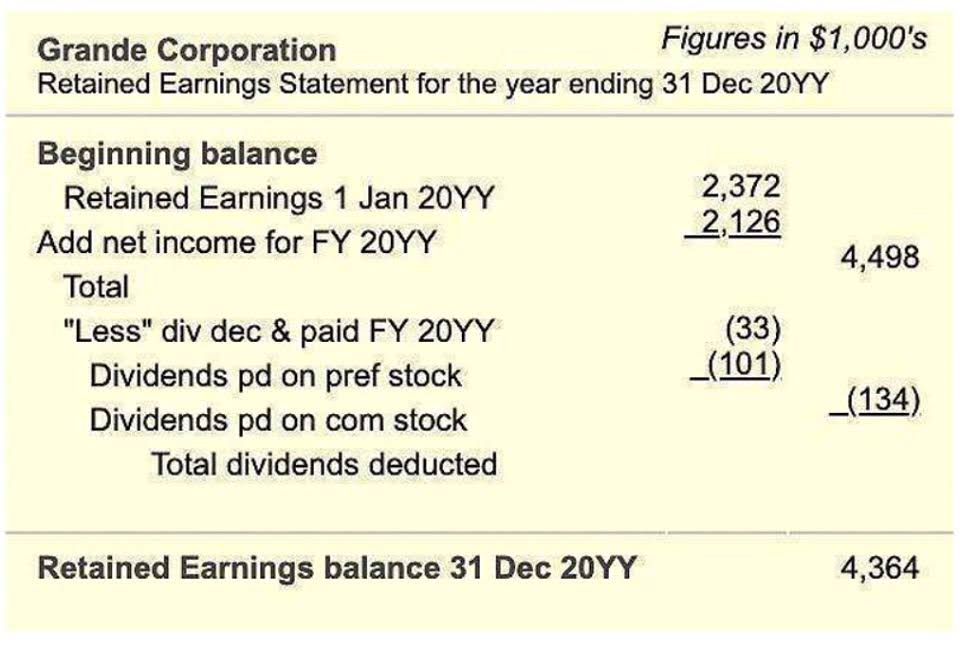
Simply put, bookkeeping is more administrative, concerned with accurately recording financial transactions. Accounting is more analytical, giving you strategic insights into your business’s financial health based on bookkeeping information. With automated bookkeeping systems, businesses can generate accurate financial statements and reports with just a few clicks.

Creating Financial Reports
Accounting is the umbrella term for all processes related to recording a business’s financial transactions, whereas bookkeeping is an integral part of the accounting process. While bookkeeping and accounting may seem similar, there are some key differences. Bookkeeping is the process of recording financial transactions, and accounting is the analysis of bookkeeping and payroll services those transactions.
Do bookkeepers earn more money than accountants?
Technology allows bookkeeping and accounting processes to scale and adapt as businesses grow. Cloud-based accounting software can accommodate expanding transaction volumes, additional users, and changing business needs. This scalability ensures that bookkeeping and accounting practices can keep pace with business growth without requiring significant infrastructure investments or operational disruptions. With real-time financial insights, bookkeepers and accountants can provide valuable advice and recommendations to management, enhancing financial planning and strategic decision-making. Cloud-based accounting software and platforms provide instant access to up-to-date financial information, allowing businesses to make informed decisions promptly. Manual data entry, reconciliation, and reporting processes prone to human error can now be automated, reducing the risk of mistakes.
- Whether you outsource the work to a professional bookkeeper or do it yourself, you’ll be able to reap a variety of benefits.
- Accountants need to have a bachelor’s degree but may also have a master’s degree.
- Accepted Accounting Principles (GAAP) or International Financial Reporting Standards (IFRS).
- Understanding the key differences between bookkeeping and accounting can significantly impact how well a business can manage its finances and plan for the future.
- They can contextualize financial information within the broader business context, enabling them to provide meaningful insights and recommendations.
- While a bookkeeper will remain an important partner for strengthening that foundation of a company, when it comes to creating pathways for the future, you should look to an accountant.
- Below, we’ll take a closer look at bookkeeping vs accounting, their key differences, and how working with bookkeepers and accounts can benefit your small business.
- By addressing these challenges, small businesses can enhance their financial management capabilities, make informed decisions, and achieve long-term success.
- As the business expands, stakeholders such as investors, lenders, and shareholders require accurate financial information.
- Now that you’ve got a firm grasp on the basics of bookkeeping, let’s take a deeper dive into how to practice good bookkeeping.
- This reliable information is essential for decision-making, strategic planning, and evaluating the business’s financial health.
- The American Institute of Professional Bookkeepers offers a Certified Bookkeeper designation, which can set professional bookkeepers apart from others.
Accountants analyze this financial data and perform higher-level tasks such bookkeeping services as generating financial reports, offering insights on business performance, and ensuring compliance with regulations. While bookkeepers manage the records, accountants interpret the information to support decision-making and long-term financial strategy. Both bookkeepers and accountants collaborate to ensure compliance with financial regulations and reporting requirements.